12.12.2011
Nature's Building Block - It looks like that the time of cheap oil is over. The challenge of this century will be the exploitation of alternative resources to secure growth and quality of life for an ever growing population.
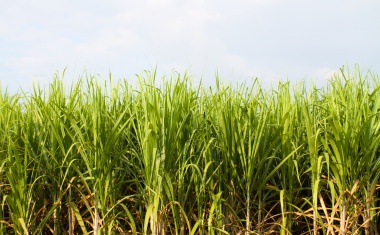
Thus, a small molecule has come into the focus of attention: glucose, nature's chemical building block. The conversion of sugars into chemicals such as ethanol offers new and sustainable alternative routes independent from fossil-based production to chemicals and fuels and with substantial savings in CO2 emissions.
more07.09.2011
Realizing Potential -The production of bio-based chemicals and materials can create tens of thousands of new green jobs, increase resource efficiency and make a considerable contribution to climate protection and innovation.
Despite these benefits, the investment in industrial biotechnology and biorefineries in Europe remains low.
The political and economic framework in the EU does not support the industrial material use of biomass - this is in contrast to bioenergy and especially biofuels, which has expanded rapidly in the EU over the last 10 years.
more12.05.2011
Forging New Ground - European supermarkets - Sainsbury's in the UK or Albert Heijn in the Netherlands - may be cited as pioneers, being the first to recognize the opportunities for bioplastics packaging. At the beginning of their market introduction, the focus was on materials and products made from biodegradable polymers.
The range of bioplastic materials used in the European packaging market today is much broader now. The polymers used for diverse applications can be biobased, biodegradable or both.
more07.07.2010
Emerson Process Management is expanding its energy management portfolio with new technologies and services that help companies and municipalities convert low-cost waste and biomass into renewable energy more efficiently and reliably, with lower carbon emissions.
more01.03.2010
The EuroBioRef project (European Multilevel Integrated Biorefinery Design for Sustainable Biomass Processing) coordinated by CNRS, France, was launched on March 1 and will run for four years. It is supported by a €23 million funding from the EU's 7th Framework Program, and will deal with the entire process of transformation of biomass, from fields to final commercial products. It will involve 28 partners from 14 different countries into a highly collaborative work.
more