
Frühjahrsputz im Werk
Eine Stilllegung ist häufig die einzige Gelegenheit für Ingenieure und Werksleiter, Maschinen zu säubern. NCH Europe, zeigt, wie man von Stillstandszeiten profitieren kann.
Werksleiter gehen in die Sommer-Betriebspause mit folgender Mission: beschädigte Teile austauschen und Systeme nachrüsten. Das ist notwendig, damit die Produktion die nächsten zwölf Monate optimal ausgelastet ist; es ist jedoch auch wichtig, diese Zeit zu nutzen, um alles gründlich zu reinigen.
Sind die Probleme sichtbar?
Betriebsingenieure müssen vor Beginn der Wartungsarbeiten alle Maschinen und Teile reinigen und entfetten, um Ruß-Problemstellen zu beseitigen, die im Laufe des Jahres durch Ausfallzeiten entstehen können, (da diese häufig übersehen oder ausgelassen werden).
Um diesen Schritt einfach und effektiv zu gestalten, müssen Sie den richtigen Entfetter für die Anwendung wählen und dabei gibt es viel zu beachten. Wissen Sie z. B., ob Sie einen schwach schäumenden oder einen silikatfreien Entfetter benötigen? Verfügt der von Ihnen gewählte Entfetter über eine NSF-Zulassung zur Verwendung in Ihrem lebensmittelherstellenden Betrieb? Benötigen Sie tatsächlich einen Entfetter auf Lösungsmittelbasis?
Die richtige Wahl zu treffen wird die Entfettung leichter, schneller und lohnenswerter machen. Als Hilfestellung sollten Sie einen Anbieter kontaktieren, der Ihnen vielfältige Optionen bietet, wie z. B. das Aqua-Sol-Sortiment von Entfettern auf Wasserbasis von NCH Europe, und gleichzeitig über das Fachwissen verfügt, um Ihre Entscheidung zu unterstützen.
Altes raus
Die Betriebspause ist die einzige Zeit, in der Sie Öle und Fette wechseln können. Einen Schmierstoff kann man jedoch nicht ohne weiteres anwenden; es müssen alle Spuren des vorherigen Schmierstoffs entfernt werden.
Für eine optimale Leistung muss Ihr neuer Schmierstoff in direktem Kontakt mit dem Teil sein, das Sie schützen und darf nicht durch Partikel, die sich im Laufe des Jahres angesammelt haben, kontaminiert werden. Ein Produkt wie Flush & Clean von NCH Europe löst Ablagerungen auf und neutralisiert saure Schadstoffe.
Ein wirksames Systemreinigungsprodukt wie dieses funktioniert, indem es für eine kurze Zeit während des Betriebs durch das System gespült wird. Dadurch werden die Ablagerungen von der Systemoberfläche getrennt und bleiben in dem alten Öl, somit werden sie während des Ölwechsels entfernt.
Lassen Sie sich nicht durch Kleinigkeiten aufhalten
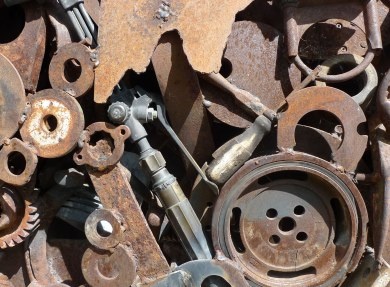
Sie denken wahrscheinlich nie wirklich an Ihren Couchtisch, oder? Zumindest nicht so lange bis ihn jemand 5 cm nach links rückt und Sie dagegen laufen. Das ist bei einem Riss in Ihrem Hallenboden, bei Rost auf Ihren Maschinen oder bei dem Spalt in Ihrer Außenwand ähnlich. Sie gewöhnen sich so sehr an die Risse und den Rost, dass Ihnen eine Verschlechterung nicht auffällt bis jemand stolpert oder ein Rohr platzt.
Um Rost zu entfernen und Schutzbeschichtungen anzubringen, benötigen Sie Platz und Zeit, also ist die Betriebspause der beste Zeitpunkt, um solche Dinge anzugehen. NCH Europe hat ein komplettes Sortiment an Produkten entwickelt, um all dies möglichst unkompliziert zu gestalten. Bei Salvage 2+ z. B. handelt es sich um eine Epoxidformulierung, die Behandlung und Schutz vor Rost in einem Schritt kombiniert, nämlich indem Rost verkapselt wird, um Korrosion zu verhindern und gleichzeitig eine Schutzschicht zu bieten, welche den Durchfluss von Flüssigkeiten sperrt. Im Programm ist auch eine der robustesten Beschichtungen für Industrieböden auf dem Markt, DuraBond sowie Impervo – eine Beschichtung, die Außenwände vor Witterungseinflüssen schützt.
Sich in eine Betriebspause zu begeben, ohne dabei Reinigungsarbeiten einzukalkulieren, beeinträchtigt die langfristigen Vorteile jeglicher Wartungsarbeiten, die Sie durchführen. Eine leere Produktionsstätte bietet die idealen Voraussetzungen, um alles ‚blitzeblank‘ zu bekommen, bevor die Produktion wieder beginnt und erneut Dreck aufkommt. Es ist ähnlich wie sich um den Frühjahrsputz zu kümmern, während die Kinder außer Haus sind.




Meist gelesen

Verluste, die keiner sieht
In CCUS-Projekten der chemischen Industrie wird die präzise CO₂-Messung zur Schlüsseltechnologie - Coriolis-Systeme spielen dabei eine zentrale Rolle.
Continuous Manufacturing ganzheitlich bewerten
Die Investitionsentscheidung für eine kontinuierliche Produktion bedarf einer belastbaren Wirtschaftlichkeitsrechnung entlang des gesamten Prozesses.

Auf der Suche nach der richtigen Formel
Europas Stärke liegt in der Verbindung von Prozesswissen, Anwendungskompetenz und Nachhaltigkeit

Chemiekonjunktur – China auf der Überholspur
Im Jahr 2024 stieg der Anteil Chinas an den globalen Chemieinvestitionen auf rund 45 %. Doch die goldenen Jahre des chinesischen Wirtschaftswunders sind vorbei.

Vorsprung durch Forschung
Wacker baut seine Forschungsaktivitäten aus. Der Münchner Chemiekonzern hat einen zweistelligen Millionenbetrag in ein neues Biotechnology Center in der bayerischen Landeshauptstadt investiert.