Anti-Terrorism Standards in the U.S. Close to Expiry
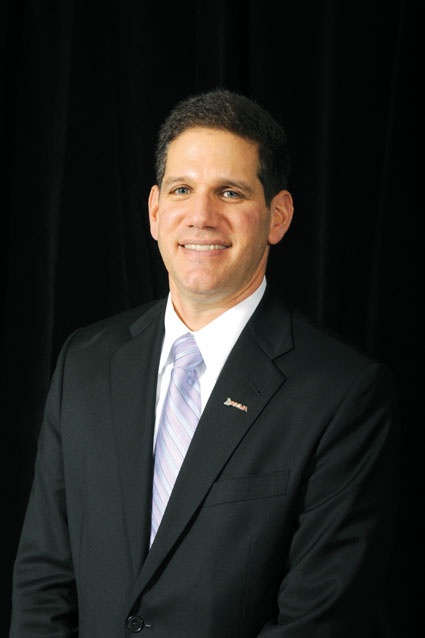
The future of the Chemical Facility Anti-Terrorism Standards (CFATS) in the United States is still unsecure. Lawrence D. Sloan, SOCMA President & CEO, summarized the current situation of the rules and regulations in his keynote speech at the sixth annual Chemical Sector Security Summit in Baltimore on July 31, 2012. Sloan found critical words towards politicians in Washington, who ended "any chances of guaranteeing CFATS's long-term authorization until 2013" by preventing a final vote for reauthorizations of the standards in both the House and the Senat. Furthermore Sloan pointed out appropriators in Congress decided to "slash funding so drastically that, if ever approved, it could threaten the department's ability to effectively implement the standards."
Despite the headwinds blowing at the Society of Chemical Manufacturers and Affiliates (SOCMA), Sloan stays optimistic. He explained the named challenges were all serious, but not insurmountable. With an appeal to politicians and deciders he reminded of the significance CFATS had for the security of the United States: "Having a comprehensive set of security standards such as CFATS that is enforced by DHS is in our nation's best interest. In this day and age, the alternatives aren't acceptable." No security standards at all could be one of those alternatives, "prescriptive one-size-fits-all mandates" another one. For an economic sector as diverse as the chemical industry both alternatives would not meet the necessary requirements.
In Sloan's opinion, the collaboration between SOCMA and the Department of Homeland Security (DHS) should be continued, despite all the issues coming over from the government in Washington. He said: "Preserving the Department of Homeland Security's role as the agency responsible for chemical security is also critically important. Would we expect AMTRAK to oversee Wall Street? No, we wouldn't." At least between these two parties there seems to be an acceptable level of trust.
The future of CFATS is still open, but Lawrence D. Sloan will continue to raise awareness of this topic. He believes "these challenges make it all the more important for industry and government to come together and engage in discourse, debate issues and identify best practices and lessons learned to move forward together." The industry is willing to follow rules and regulations in order to secure its most hazardous chemical products - U.S. politicians now need to give this will the right regulatory framework.