Russian-Chinese Project Takes Shape on the Baltic
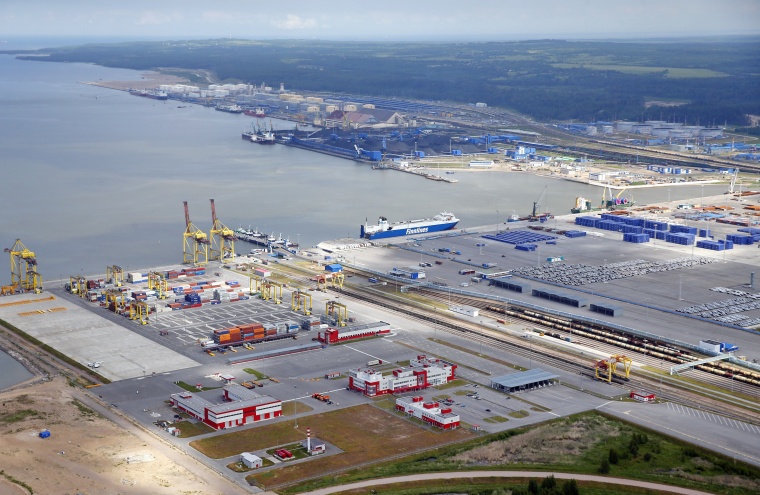
Plans for a mammoth Russian-Chinese ethane cracker and polyethylene complex are taking shape in the Russian Baltic seaport of Ust-Luga, near the Gulf of Finland and the starting point of the controversial North Stream 2 pipeline planned to pump Russian gas to western Europe.
Two crackers with capacity of 1.4 million t each and six polyethylene plants, each with capacity to produce around 480,000 t/y, are part of the plans, along with facilities to process linear alpha olefins.
The first development phase is scheduled to go online in 2023, the second in 2024.
The project is being billed as the largest ethylene integration project in the world. It is unclear where output would be marketed.
Russian gas oligarch Gazprom and RusGasDobycha are additionally building gas processing facilities at Ust-Luga to absorb excess ethane.
China National Chemical Engineering Company (CNCEC) has responsibility for building the infrastructure of the Baltic Chemical Complex.
US engineering contractor McDermott International’s Lummus Technology division will supply both the Process Design Package (PDP) engineering and the license for its olefin production and recovery technology. RusGasDobycha has secured Unipol licenses for polyethylene production from technology owner Univation.
The extended basic engineering work will primarily be executed from McDermott's downstream Centers of Excellence in The Hague and Brno, Czech Republic, the contractor said.
“Lummus Technology has been present in Russia for many years where we have been – and will continue to be – a reliable partner to our many clients here,'' said Leon de Bruyn, the technology supplier’s senior vice president.
McDermott meanwhile has countered claims that its participation in the large Russian petrochemicals project violates international sanctions against Moscow. The engineeering firm said it was in “full compliance“ with the law.
Press reports said Shell had pulled out of the project last April because Gazprom had changed its final concept for the project initially designed to produce only liquefied natural gas.
Sources quoted by the Reuters news agency suggested that another factor behind Shell’s decision could be that Gazprom had suddenly brought in another partner with links to businessman Arkady Rotenberg who is on a US sanctions blacklist.