World Plastics Council Backs G-7 Marine Litter Plan
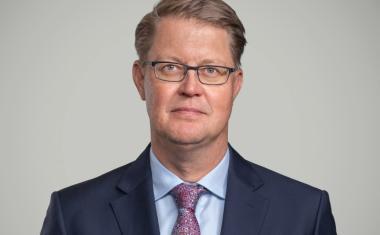
The World Plastics Council (WPC) has applauded what it called a “bold action plan” to reduce marine litter agreed by G-7 leaders at their recent summit in Germany. Speaking for the organization created in 2013 to be a voice for the global production of plastics, Abdulrahman Al-Fageeh, newly elected chairman of WPC and executive vice president of the Polymers business unit at Saudi Arabian chemical giant SABIC, said the challenge requires a global response.
WPC noted that the global plastics industry is already participating in many of the initiatives earmarked for support at the summit, such as Operation Clean Sweep, which promotes the goal of zero pellet loss in plastics processing, and the global Marine Litter Solutions Coalition that emerged from the Declaration for Solutions on Marine Litter and now has the backing of 60 industry associations in 34 countries.
In its resolution, the G7 summit said its member countries are committed to improving their national systems to prevent, reduce or remove litter entering inland and coastal waters and at the same time acknowledged that international development assistance and investment are key to meeting the challenge.
The leaders also agreed to promote individual and corporate behavior change in regard to marine litter through public awareness and education campaigns, economic incentives, market-based instruments and public-private partnerships.